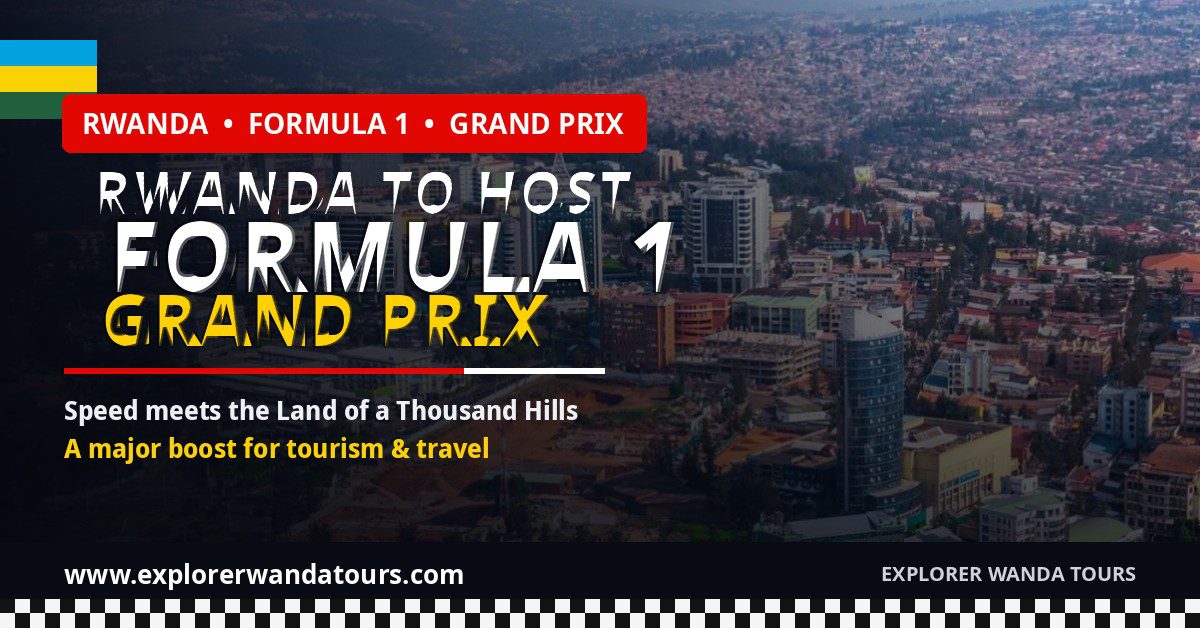
Rwanda’s decision to host the Formula 1 African Grand Prix marks a major milestone in the country’s ambition to become a leading destination for international tourism, sports and investment. Announced on 13 October 2026, the agreement between Rwanda and Formula 1 provides for a 10-year partnership, with the first race expected in the early 2030s after the construction of a purpose-built circuit in Bugesera, approximately 40 kilometers south of Kigali. The event will also mark Formula 1’s return to Africa for the first time since the 1993 South African Grand Prix.
According to Formula 1’s official announcement, the project is intended to support tourism, investment, local businesses and skills development. Beyond the excitement of high-speed racing, the Grand Prix could introduce Rwanda to millions of potential visitors and encourage tourists to explore the country’s wildlife, landscapes, culture and hospitality.
- Increasing Rwanda’s International Visibility
Formula 1 is one of the world’s most internationally recognised sporting competitions, attracting global media coverage, corporate sponsors, celebrities and motorsport enthusiasts. Hosting the African Grand Prix will give Rwanda an opportunity to showcase its attractions to audiences who might not otherwise consider visiting the country.
Television broadcasts, online coverage, social media content and travel features could highlight Kigali’s modern infrastructure, Rwanda’s rolling hills, its cultural heritage and its conservation achievements. The event would help position Rwanda not only as a destination for gorilla trekking but also as a place for sporting holidays, luxury travel, adventure tourism and international conferences.
The Grand Prix’s African identity may also attract visitors from neighboring countries and the wider continent, making Rwanda a regional meeting point for motorsport fans and travellers.
- Increasing Hotel Occupancy and Tourism Spending
A Formula 1 weekend can attract international spectators, racing teams, journalists, sponsors, corporate guests and hospitality providers. These visitors require accommodation, transport, meals, entertainment and other services.
Hotels in Kigali and surrounding areas could benefit from increased bookings before and during the event. Restaurants, cafés, bars, tour operators, vehicle-hire companies and local shops could also experience higher demand. Businesses offering premium experiences, including luxury lodges and private excursions, will benefit from visitors seeking to combine the race with a wider holiday.
The economic benefits could extend beyond the race weekend if visitors arrive early or stay longer to explore Rwanda. A traveller attending the Grand Prix might spend several additional days visiting national parks, enjoying cultural attractions or discovering the countryside.
For these benefits to reach local communities, Rwanda will need to ensure that small businesses, local guides, artisans and community tourism enterprises can participate in the opportunities created by the event.
- Promoting Rwanda’s National Parks and Wildlife
One of the most significant opportunities presented by Formula 1 is the potential to connect sports tourism with Rwanda’s established nature-based tourism industry. The country has several national parks offering very different experiences, from mountain gorilla trekking to savannah wildlife safaris and rainforest exploration.
Visitors who travel to Rwanda for the Grand Prix could extend their stays to experience these attractions, giving the country an opportunity to market a combined package of motorsport and wildlife tourism.
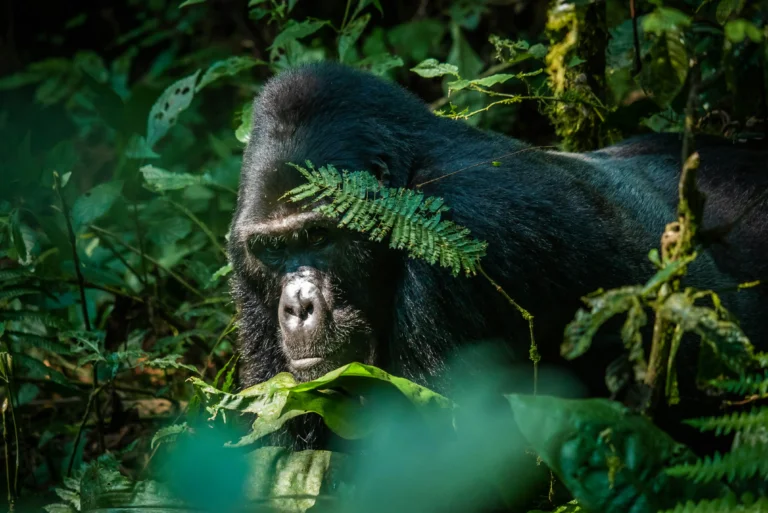
Volcanoes National Park, in the north-west, is internationally known for mountain gorilla trekking and its dramatic volcanic scenery. Akagera National Park, in the east, offers savannah safaris and opportunities to see animals such as elephants, giraffes, zebras, antelopes and lions. Nyungwe National Park, in the south-west, is famous for its montane rainforest, chimpanzees, other primates and canopy walkway.
These experiences could appeal to international visitors seeking a holiday that combines the excitement of Formula 1 with some of Africa’s most memorable natural attractions.
- The National Parks Tourists Can Visit During the Grand Prix
Volcanoes National Park
Volcanoes National Park is an excellent option for travellers interested in mountain gorillas, guided forest hikes and spectacular volcanic landscapes. Visitors can participate in permitted gorilla trekking experiences, subject to the required permits and availability. The park is also associated with golden monkeys and the conservation legacy of mountain gorillas.
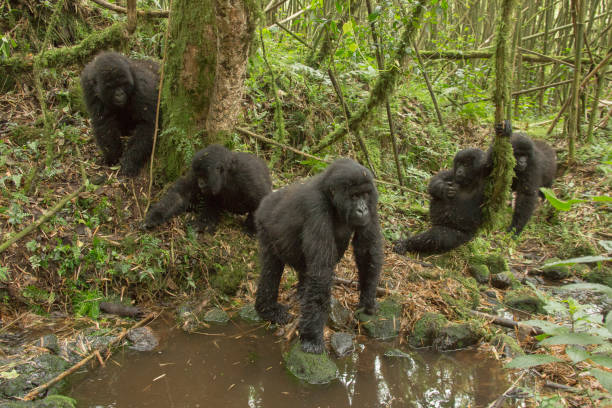
Located in northern Rwanda, the park is a strong choice for visitors planning a dedicated wildlife excursion before or after the race. Travellers should allow enough time for the journey from Kigali and for the early start required for many trekking activities.
Akagera National Park
For tourists who prefer a traditional African safari, Akagera National Park offers a contrasting experience. Its savannah plains, lakes, wetlands and woodlands provide habitat for a variety of wildlife, including elephants, lions, giraffes, zebras and numerous bird species.
Visitors can explore the park on guided game drives and enjoy scenic views across its lakes and open landscapes. Akagera could be particularly appealing to families, photographers and first-time safari visitors who want to combine a major sporting event with a wildlife adventure.
Nyungwe National Park
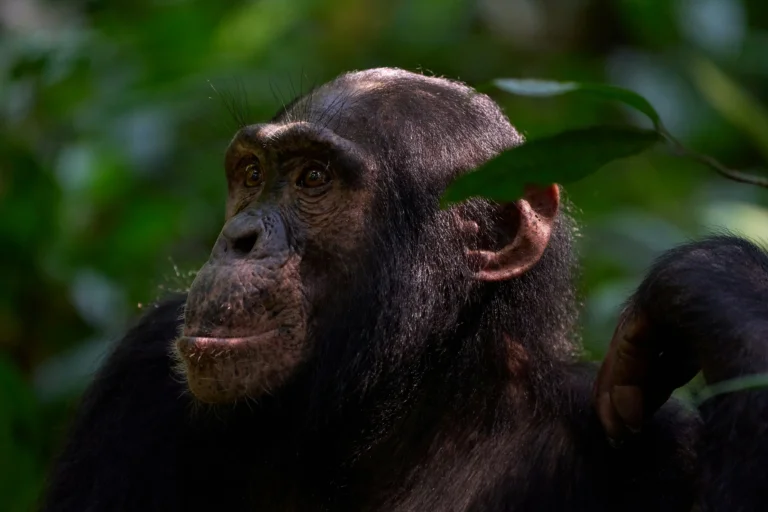
Nyungwe National Park is a destination for visitors who enjoy rainforests, biodiversity and outdoor exploration. The park is known for chimpanzee tracking, guided forest walks, birdwatching and its canopy walkway, which offers elevated views across the forest.
Although travelling to Nyungwe requires additional time, it could be a rewarding extension for tourists planning a longer stay in Rwanda. Its cooler forest environment and rich biodiversity provide a different experience from the busy atmosphere of the Grand Prix.
Gishwati-Mukura National Park
Gishwati-Mukura National Park offers another option for nature enthusiasts. This protected forest landscape is associated with chimpanzees, other primates, birdlife and conservation initiatives. Visitors interested in less familiar destinations may find it an appealing addition to a wider Rwandan itinerary, depending on available visitor activities and access arrangements.
The choice of park will depend on each visitor’s interests, available time, budget and permit requirements. Tourists with only a few days in Rwanda may prefer one well-planned excursion, while those staying for a week or more could explore several destinations.
- Creating Jobs and Supporting Local Businesses
The development of a Formula 1 circuit and the arrival of international visitors could create opportunities in hospitality, transport, event management, catering, security, construction and tourism services. The event could also encourage training in technical fields, including engineering, logistics, broadcasting and motorsport operations.
Tourism businesses could respond by developing new itineraries that combine race tickets, accommodation, airport transfers, cultural experiences and national park visits. Local guides, craft producers and community enterprises could benefit if they are included in these packages and have access to international customers.
Over time, these opportunities could help diversify tourism-related employment and strengthen the connection between international events and local economic development.
- Improving Infrastructure and Extending Visitor Stays
The proposed circuit in Bugesera, near the new Kigali International Airport, is part of a wider development ambition. Improvements in transport connections, accommodation, visitor services and event facilities could make it easier to welcome international tourists.
If planned effectively, the circuit could also host concerts, conferences and other sporting events outside the Formula 1 calendar, helping to attract visitors throughout the year rather than concentrating economic activity on a single weekend.
Rwanda could further encourage longer stays by promoting itineraries that combine Kigali city tours, cultural experiences, national parks and relaxation in the countryside. Better coordination between airlines, hotels and tour operators would make such packages easier to arrange.
- Sustainability and Long-Term Benefits
The success of the Grand Prix should not be measured only by the number of spectators attending the race. Rwanda will also need to consider the event’s environmental footprint, infrastructure costs, community benefits and long-term economic returns.
Responsible planning can help ensure that increased tourism supports conservation, respects local communities and protects the natural attractions that make Rwanda distinctive. Transparent economic assessments, opportunities for local suppliers and sustainable transport and waste-management practices will be important to achieving lasting benefits.
Conclusion
Hosting the Formula 1 African Grand Prix could give Rwanda a powerful platform to promote its tourism industry, attract international visitors, stimulate hospitality businesses and strengthen its reputation as a destination for major global events. The greatest opportunity lies in encouraging visitors to stay longer and explore beyond the circuit.
By connecting motorsport with mountain gorillas in Volcanoes National Park, savannah wildlife in Akagera, rainforest adventures in Nyungwe and conservation experiences in Gishwati-Mukura, Rwanda can offer tourists a diverse and memorable holiday.
If the event is delivered with sound investment, environmental responsibility and meaningful participation by local businesses, the Grand Prix could become more than a sporting spectacle. It could serve as a gateway to Rwanda’s natural heritage and help build a more diverse and resilient tourism economy over the coming decade.