Imagine standing on a green hillside in northern Rwanda, surrounded by fertile farmland, fresh mountain air and distant volcanic peaks. The scent of freshly roasted coffee drifts through the morning as a local guide introduces you to the journey behind one of Rwanda’s most treasured agricultural products. This is the charm of a coffee tour in Musanze, Rwanda, an experience that brings together local traditions, agricultural heritage, warm hospitality and the natural beauty of the country’s north-western region.
Musanze, formerly known as Ruhengeri, is widely recognised as a gateway to Volcanoes National Park and its remarkable mountain gorillas. However, the destination offers much more than wildlife encounters. Visitors can explore rural communities, learn about coffee production, discover traditional ways of life and enjoy the dramatic landscapes surrounding the Virunga Mountains.
For travellers seeking meaningful experiences beyond conventional sightseeing, a Musanze coffee tour offers a rewarding opportunity to understand Rwanda through the people who cultivate its land. Even better, the experience can be combined with gorilla trekking, golden monkey tracking, volcano hiking and cultural excursions to create a diverse Rwanda holiday.
What Makes a Coffee Tour in Musanze Special?
Coffee is an important part of Rwanda’s agricultural identity, and the country’s highland growing conditions support the production of distinctive Arabica coffee. Volcanic soils, suitable temperatures, rainfall and elevation contribute to the character of coffee grown in different parts of the country.
A coffee tour in Musanze allows travellers to look beyond the finished cup and appreciate the work, knowledge and patience required to produce quality coffee. Depending on the farm or tour operator, visitors may walk through coffee-growing areas, meet local producers, observe processing methods and enjoy a guided tasting.
The surrounding scenery makes the experience particularly appealing. Small farms, cultivated hillsides and rural settlements create a landscape that feels different from the dense forest encountered during wildlife trekking. On a clear day, the Virunga volcanoes provide an impressive backdrop to the agricultural countryside.
Rather than rushing between attractions, visitors can slow down, ask questions and engage with the people whose livelihoods are connected to farming. This personal connection often becomes one of the most memorable parts of a northern Rwanda itinerary.
From Coffee Plant to Freshly Brewed Cup
One of the highlights of a Rwanda coffee tour is discovering how coffee moves from the farm to the cup. The precise activities depend on the host farm and the season, but a well-organised experience can introduce visitors to several stages of production.
- Exploring the Coffee Farm
The tour often begins with a walk among coffee plants, where a guide explains how the crop grows and what farmers consider when caring for their trees. Visitors can learn about planting, pruning, soil management and the conditions needed to produce healthy coffee cherries.
During the harvest season, ripe cherries may be visible on the branches, providing an opportunity to understand how farmers select suitable fruit. Harvest timing matters because the quality of the raw cherries influences the flavour and consistency of the final product.
The experience also offers insight into the daily realities of small-scale farming. Coffee production requires careful attention throughout the growing cycle, and much of the work depends on farmers’ accumulated knowledge and practical experience.
- Understanding Coffee Processing
After harvesting, coffee cherries must be processed to prepare the beans for drying, milling and roasting. Depending on the facilities available, visitors may learn about sorting, pulping, fermentation, washing and drying.
These stages influence the coffee’s final characteristics. Processing methods, drying conditions and storage practices can all affect the aroma, acidity, body and flavour of the finished drink.
Some farms may demonstrate traditional techniques, while more developed facilities may explain the equipment used to prepare coffee for local consumption or export. Not every farm offers every stage of the process, so visitors should confirm the activities included when arranging their tour.
- Discovering the Art of Roasting
Roasting transforms green coffee beans into the aromatic product familiar to coffee drinkers. During a suitable demonstration, guests may discover how heat, roasting duration and bean characteristics influence flavour.
Lighter roasts can preserve delicate floral or fruity notes, while darker roasts often produce deeper, more pronounced flavours. A guide may also explain how coffee is ground and brewed to bring out particular characteristics.
This stage makes the experience especially enjoyable for coffee enthusiasts who want to develop a deeper appreciation of specialty coffee.
- Enjoying a Coffee Tasting
The tasting is often the natural conclusion to a bean-to-cup experience. Visitors can sample freshly prepared coffee, notice differences in aroma and flavour, and ask questions about brewing techniques.
For many guests, the pleasure lies in connecting the drink with the landscape and people behind it. A cup of coffee becomes more than a refreshing beverage; it represents cultivation, harvesting, processing and the work of an entire farming community.

Guests may also have an opportunity to purchase locally produced coffee as a souvenir. Buying directly from participating producers, where possible, can help visitors support the businesses and communities that make the experience possible.
Meet Local Communities and Experience Rwandan Hospitality
A coffee tour is also an opportunity to discover the human side of Rwanda’s countryside. Conversations with farmers and guides can reveal how agriculture shapes household livelihoods, community relationships and local traditions.
Visitors may hear stories about changing farming practices, the challenges of growing crops and the importance of maintaining product quality. Some tours also include opportunities to learn about other local crops or observe aspects of rural life.
The experience should be approached with curiosity and respect. Ask before photographing people, follow the host’s guidance and consider purchasing coffee or other products when they are offered for sale.
Choosing a locally operated experience can make the visit more personal while directing a greater share of tourism spending towards the people who welcome guests.
Combine Your Coffee Tour with Gorilla Trekking in Rwanda
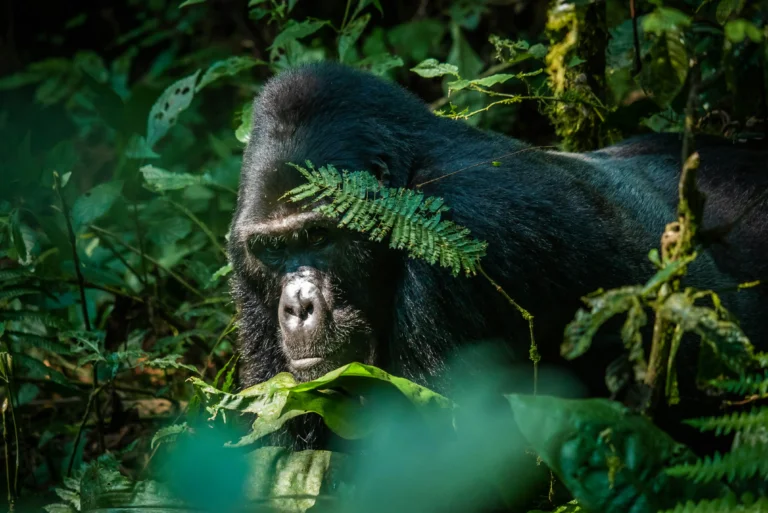
For many international visitors, gorilla trekking in Rwanda is the principal reason for travelling to Musanze. Combining a coffee experience with a mountain gorilla encounter, however, creates a more complete understanding of the region.
Volcanoes National Park protects mountain gorillas in a spectacular landscape of montane forest, bamboo vegetation and volcanic slopes. Treks begin with a briefing at the park headquarters in Kinigi before visitors enter the forest with authorized guides and trackers.
The walk can vary considerably in duration and difficulty, depending on where the assigned gorilla family is located and the conditions on the day. Once the gorillas are found, visitors are permitted a limited period to observe them under established park rules.
The encounter is often an emotional highlight. Watching a gorilla family interact in its natural habitat provides a powerful reminder of the importance of wildlife conservation.
How to Include a Coffee Tour in Your Gorilla Safari?
A practical itinerary is to arrive in Musanze the day before your gorilla trek, settle into your accommodation and arrange a coffee tour if time allows. Alternatively, schedule the coffee experience for the afternoon after trekking, provided you return early enough and the farm can accommodate your visit.
Because gorilla trekking can be physically demanding, the afternoon option works best when the trek finishes early and visitors still feel comfortable exploring.
For a more relaxed experience, dedicate a separate day to coffee, local culture and nearby attractions. This allows you to enjoy the farm visit without worrying about a strict wildlife-trekking schedule.
Gorilla permits are limited and should be arranged well in advance through the appropriate official channels or a reputable tour operator. Build your itinerary around your confirmed trekking date rather than assuming that permits will be available at short notice.
Add Golden Monkey Trekking to Your Rwanda Coffee Experience
Golden monkey trekking is another excellent activity to combine with a Musanze coffee tour. These lively primates inhabit the bamboo forests of Volcanoes National Park and are known for their golden-orange coloring and energetic behavior.
Unlike the often slow, contemplative moments of watching mountain gorillas, golden monkey tracking can be a lively forest adventure. Visitors may see the monkeys moving through bamboo vegetation, feeding, jumping between branches and interacting with members of their troop.
The trek begins with a briefing and takes place with authorized guides. Walking conditions and the length of the encounter vary, so suitable footwear and preparation remain important.
The Best Way to Combine Golden Monkeys and Coffee
Consider scheduling golden monkey trekking in the morning, followed by a coffee tour in the afternoon if the trekking duration, travel time and farm opening arrangements permit. This combination brings together wildlife observation and agricultural discovery in one day.
Alternatively, spread the activities across two days to enjoy a more leisurely pace.
For travelers interested in primates, conservation and local livelihoods, the combination is particularly rewarding. The morning introduces the biodiversity of the Virunga landscape, while the afternoon reveals another side of the region through farming and community life.
Other Things to Do in Musanze, Rwanda
A coffee tour can form part of a wider northern Rwanda itinerary. Visitors who have an extra day or two can choose from several attractions around Musanze and Volcanoes National Park.
Explore the Musanze Caves
The Musanze Caves offer a fascinating look at the region’s volcanic geology. Guided visits introduce travelers to underground passages and rock formations shaped by ancient geological processes. The caves provide a striking contrast to the open farmland and forested mountains above ground.
Visit the Twin Lakes of Burera and Ruhondo
The Twin Lakes of Burera and Ruhondo are known for their beautiful scenery and views of the surrounding hills and volcanoes. Depending on local arrangements, visitors can enjoy lakeside stops, photography and boat excursions.
These lakes are an appealing addition for travelers who want to balance active trekking with a quieter outdoor experience.
Discover Local Culture and Conservation
Community-based cultural visits can introduce visitors to Rwandan traditions, crafts, music and storytelling. Some experiences also explore the relationship between local communities and wildlife conservation.
A visit to the Ellen DeGeneres Campus of the Dian Fossey Gorilla Fund, where visitor access and programmes are available, can add further context to the conservation work associated with mountain gorillas.
Go Hiking in the Virunga Mountains
For travellers who enjoy physical challenges, the region offers volcano hiking opportunities, including Mount Bisoke. These excursions require appropriate fitness, preparation and advance arrangements.
After a demanding hike, a coffee tasting or relaxed farm visit can provide a gentler way to spend the remainder of the day, depending on timing and availability.
Suggested Three-Day Musanze Coffee and Primates Itinerary
A three-day stay gives visitors time to experience coffee production, mountain gorillas and golden monkeys without trying to fit every activity into a single day.
Day 1: Arrive in Musanze and discover local coffee
Travel from Kigali to Musanze, check in to your accommodation and enjoy a guided coffee farm visit. Learn about cultivation and processing, sample locally prepared coffee and spend the evening relaxing before your wildlife adventure.
Day 2: Gorilla trekking in Volcanoes National Park
Begin the day with the required park briefing and trek into the forest with your authorized guide. After returning, enjoy a leisurely afternoon, perhaps exploring Musanze town or relaxing at your lodge.
Day 3: Golden monkey trekking and departure
Set out for golden monkey trekking in the morning. After the activity, have lunch and begin your onward journey, allowing sufficient time for road travel and any scheduled flights.
This itinerary is a suggested framework rather than a fixed schedule. Trekking durations, farm availability, transport arrangements and departure times should be confirmed before travel. Visitors with additional time can add the Musanze Caves, the Twin Lakes or a cultural experience.
Best Time to Visit Musanze for Coffee Tours and Trekking
Coffee tours and primate experiences offer different seasonal considerations. A farm visit may be possible throughout the year, but the appearance of coffee plants, availability of ripe cherries and opportunities to observe harvesting depend on the local production calendar.
For trekking, the drier periods of June to September and December to February are often favoured because trails may be easier to navigate. However, rainfall can occur at any time in this mountainous region, and wildlife activities operate throughout the year subject to park arrangements.
The best approach is to choose your travel dates around your preferred wildlife experience, then confirm coffee tour availability with the farm or tour operator.
Pack comfortable walking shoes, a lightweight waterproof jacket, drinking water and clothing suitable for changing mountain weather. For gorilla and golden monkey trekking, follow all park instructions and consider hiring a porter if assistance with steep or muddy trails would be helpful.
Why Choose a Coffee Tour in Musanze, Rwanda?
A coffee tour adds depth to a northern Rwanda holiday by connecting visitors with the agricultural traditions and people of the region. Rather than experiencing Musanze solely as a gateway to gorilla trekking, travellers gain a broader appreciation of its landscapes, livelihoods and everyday culture.
The experience suits coffee lovers, couples, small groups, photographers and travellers interested in responsible tourism. It also works well for visitors who want to include meaningful community experiences alongside outdoor adventures.
When combined with gorilla trekking, golden monkey tracking and visits to local attractions, a coffee tour helps create a balanced itinerary that includes nature, culture, agriculture and relaxation.
Frequently Asked Questions About Coffee Tours in Musanze
How long does a coffee tour in Musanze take?
The duration depends on the farm and the activities offered. Some experiences last a couple of hours, while more comprehensive visits may take longer. Confirm the expected duration when booking.
Can I combine a coffee tour with gorilla trekking?
Yes. Many travellers can fit a coffee tour into a multi-day Rwanda tour itinerary with gorilla trekking. Scheduling the activities on separate days provides the greatest flexibility.
Can I combine golden monkey trekking with a coffee tour?
Yes. Morning golden monkey trekking and an afternoon coffee visit can work well when the trek finishes early enough and the farm’s schedule allows it.
Is a coffee tour suitable for people who do not drink coffee?
Yes. Visitors can still enjoy learning about farming, processing and local livelihoods. Ask the operator whether tastings are optional and whether alternative refreshments are available.
What should I buy during a Rwanda coffee tour?
Locally produced coffee makes a practical souvenir. Ask about the beans’ origin, roast level, processing method and recommended brewing style before choosing a product.
Conclusion: Experience the Many Flavours of Musanze
A coffee tour in Musanze, Rwanda, offers far more than a taste of locally grown coffee. It opens a window into the region’s agricultural heritage, introduces visitors to the people behind the harvest and reveals another dimension of a destination famous for its wildlife.
Pair the experience with gorilla trekking for a remarkable encounter with endangered mountain gorillas, or add golden monkey tracking for a lively exploration of the bamboo forest. With the Musanze Caves, the Twin Lakes and local cultural experiences also within reach, there are plenty of ways to build a rewarding northern Rwanda holiday.
Whether you are a dedicated coffee enthusiast or a traveller looking for authentic experiences beyond the usual safari itinerary, Musanze invites you to explore Rwanda one cup, one conversation and one adventure at a time.