Kenya Cultural Safaris: Kenya is widely celebrated for its iconic wildlife and dramatic landscapes, but beyond the sweeping savannahs lies a rich cultural tapestry that makes a safari experience even more meaningful. Cultural safaris in Kenya offer travelers the opportunity to connect with local communities, traditions, and ways of life that have been preserved for generations. These experiences go beyond game drives, providing a deeper understanding of the people who call this diverse country home.
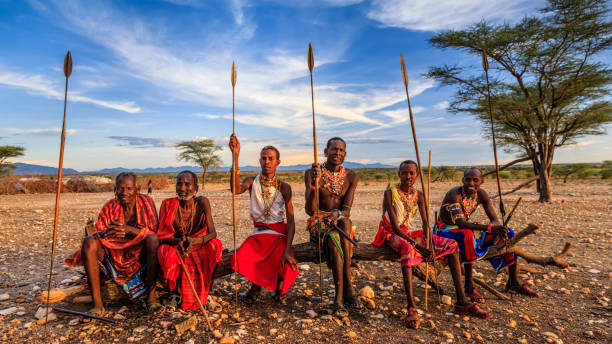
A cultural safari typically involves visiting indigenous communities such as the Maasai, Samburu, Turkana, and Swahili people. Each group has its own unique customs, language, attire, and social structures. Among the most well-known are the Maasai, famous for their vibrant red clothing, intricate beadwork, and strong pastoral traditions. Visiting a Maasai village allows travelers to witness traditional dances, learn about cattle herding practices, and understand the importance of livestock as both economic and cultural wealth.
Equally fascinating are the Samburu people of northern Kenya, who share similarities with the Maasai but maintain distinct traditions and dress. Samburu cultural visits often include storytelling sessions, demonstrations of traditional crafts, and insights into their semi-nomadic lifestyle. These interactions are not staged performances but genuine exchanges that foster mutual respect and cultural appreciation.
Along Kenya’s coastline, cultural safaris take on a different flavor. The Swahili culture, influenced by centuries of trade between Africa, the Middle East, and Asia, is reflected in the region’s architecture, cuisine, and language. Walking through a historic town reveals intricately carved wooden doors, coral stone buildings, and bustling markets filled with spices and textiles. Visitors can learn about Swahili history, including the impact of trade and colonialism, while enjoying traditional dishes rich in coconut, spices, and seafood.
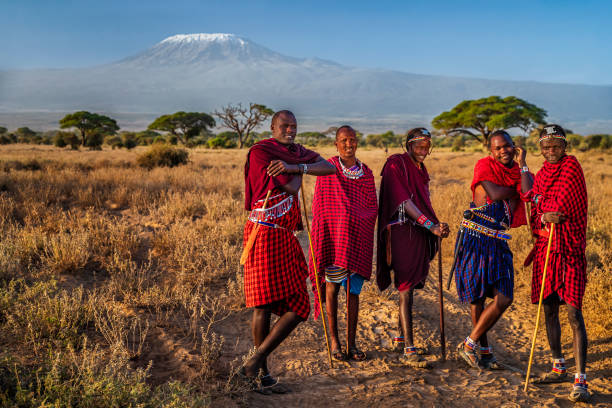
One of the most rewarding aspects of cultural safaris in Kenya is the opportunity for immersive experiences. Travelers may participate in daily activities such as cooking traditional meals, milking cows, beadwork, or farming. These hands-on experiences create a sense of connection that goes far beyond observation. Instead of simply seeing a culture, visitors become temporary participants in it.
Cultural safaris also play an important role in sustainable tourism. Many community-based tourism initiatives are designed to generate income for local populations while preserving their heritage. Fees paid by visitors often support education, healthcare, and conservation projects. This model ensures that tourism benefits are shared more equitably and that local communities have a vested interest in protecting their traditions and environment.
Another key element is storytelling. Oral tradition remains a cornerstone of many Kenyan cultures, with elders passing down history, values, and lessons through stories. Sitting around a fire and listening to these narratives offers a powerful glimpse into how communities understand their past and navigate their present. These moments often become the most memorable part of a cultural safari in Kenya.
Respect and sensitivity are essential when engaging in cultural tourism. Visitors are encouraged to approach experiences with an open mind and a willingness to learn. Asking permission before taking photographs, dressing modestly, and respecting local customs are simple but important ways to show appreciation. Ethical tour operators also ensure that interactions are consensual and that communities retain control over how their culture is presented.
Kenya’s cultural diversity is closely tied to its natural environment. From arid northern regions to fertile highlands and coastal plains, different landscapes have shaped distinct ways of life. Understanding this relationship, landscapes have shaped distinct ways of life. Understanding this relationship adds depth to the safari experience, as travelers begin to see how people and nature coexist and influence one another.
In recent years, there has been growing interest in combining wildlife and cultural tourism. Many safari itineraries now include both game drives and cultural visits, offering a more holistic view of Kenya. This approach not only enriches the traveler’s experience but also broadens the economic impact of tourism.
Ultimately, a cultural safari in Kenya is about connection-connection to people, traditions, and perspectives that may be vastly different from one’s own. It challenges assumptions, encourages empathy, and leaves travelers with a deeper appreciation of human diversity. While the country’s wildlife may draw visitors in, it is often the warmth, resilience, and richness of its cultures that leave a lasting impression.