
Tarangire National Park: Tanzania’s Hidden Jewel of Wildlife and Wilderness
Tarangire National Park, located in northern Tanzania and slightly off the well-worn safari circuit, is one of East Africa’s most compelling and sometimes understated wildlife sites. The park, which spans around 2,850 square kilometers, is named after the Tarangire River, a lifeblood that meanders through its environment and supports an amazing concentration of animals, particularly during the dry season. Tarangire, known for its renowned baobab trees, large elephant herds, and diverse wildlife, provides guests with a real and immersive safari experience that is rich in raw beauty and ecological value.
Geography and Landscape
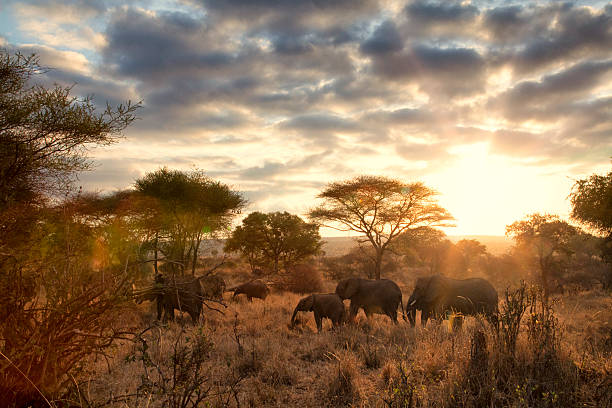
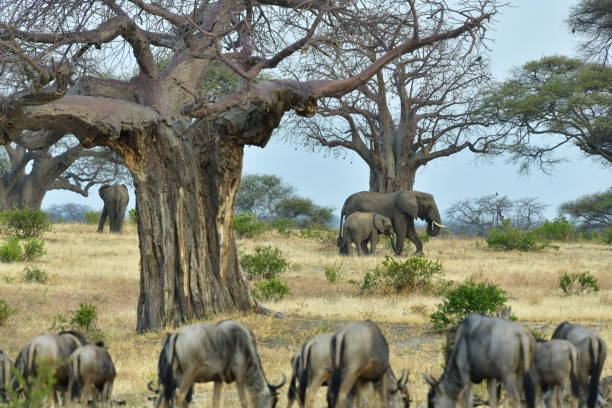
Tarangire National Park, located south of Lake Manyara, is part of the larger northern safari habitat that encompasses the Serengeti and the Ngorongoro Conservation Area. Its landscape is varied, ranging from rolling savannahs and acacia woods to seasonal wetlands and riverine ecosystems. The park’s most notable feature is its ancient baobab trees, some of which are said to be over a thousand years old. These huge, sculptural trees dominate the skyline and give Tarangire a particular character that sets it apart from other Tanzanian parks.
The Tarangire River is the park’s distinguishing geographical feature. During the dry months, June to October, it serves as the principal source of water for species moving from nearby areas. As other water sources dry up, animals concentrate along the riverbanks, providing stunning wildlife watching opportunities and highlighting the park’s value as a dry-season refuge.
Wildlife Richness
Tarangire National Park is particularly well-known for its massive elephant population, which is one of the densest in Tanzania. Herds of several hundred elephants can frequently be observed wandering smoothly over the plains or digging for water in dry riverbeds. These gentle giants are the park’s trademark and a popular attraction for many tourists.
The national park is home to a diverse range of wildlife, in addition to elephants. Lions, leopards, and cheetahs prowl the park, feeding on numerous herbivores, including wildebeest, zebras, buffalo, giraffes, and different antelope species. The park is also noted for having less common creatures, like as fringe-eared Oryx, gerenuk, and larger kudu, making it particularly enticing to wildlife aficionados looking for variety.
Tarangire National Park has an equally impressive bird population. With over 550 known bird species, the park is a birdwatcher’s delight. Avian variety offers another layer of richness to the ecology, ranging from the brightly colored lilac-breasted roller and yellow-collared lovebird to huge birds like ostriches, Kori bustards, and secretary birds. Seasonal marshes attract waterbirds, including pelicans, storks, and herons, especially during and after the rainy season.
Seasonal Changes and Migration
One of Tarangire’s distinguishing features is its seasonal metamorphosis. During the wet season, which runs from November to May, the park becomes lush and verdant. Wildlife disperses across a larger region as water becomes more accessible, and the landscape is studded with wildflowers and new grass. This time of year is good for birding and has a spectacular landscape, while animal sightings may be more scattered.
In contrast, the dry season produces a massive influx of species. As the surrounding lands dry up, thousands of animals come to Tarangire in quest of water. This yearly movement matches the famed Serengeti migration in density, although it receives less attention. The dry season also provides better visibility through less foliage, making it the most popular period for game drives.
Cultural and Historical Significance
Tarangire National Park is located in an area traditionally inhabited by the Maasai people, whose culture and customs are still an important element of northern Tanzania’s identity. While the park is protected and does not allow permanent human settlement, the surrounding people have significant cultural links to the area. Many safari excursions in the region involve visits to Maasai settlements, which provide insight into traditional pastoralist lives and intimate links with nature.
The term “Tarangire” is said to be derived from the Maasai word “Tarangire,” which refers to a river of warthogs, emphasizing the long-standing interaction between locals and the environment. This cultural context enriches the tourist experience, reminding them that conservation and human legacy are inextricably linked.
Conservation and Ecological Importance
Tarangire is essential to regional conservation efforts. As part of a wider ecosystem, the park protects migratory pathways that are critical for species survival. Protecting these corridors is critical because numerous species cross park boundaries throughout different seasons. Conservation organizations and the Tanzanian government collaborate to address concerns such as habitat degradation, human-wildlife conflict, and poaching.
Elephant conservation is very important in Tarangire. Long-term study in the park has provided vital insights about elephant behavior, migration, and social systems. This research has influenced larger conservation plans throughout East Africa, highlighting Tarangire’s significance beyond its borders.
Tourism and Visitor Experience
Tarangire is less congested than other well-known parks such as the Serengeti, providing a quieter and more personal safari experience. The principal activity is game drives; however, walking safaris and night drives are provided in some sections and concessions, allowing visitors to see the park from a variety of views.
Accommodation choices range from luxurious lodges and tented camps to less expensive public campsites, appealing to a diverse variety of guests. Many lodges are purposefully placed to give expansive views of the savannah or river, heightening the sensation of immersion in nature. The park’s proximity to Arusha makes it a great addition to a northern Tanzania safari itinerary.
Tarangire National Park is a land of contrasts and peaceful majesty, with old baobabs guarding roving elephants and life-giving rivers attracting species from all over. Its cyclical cycles, diverse species, and cultural setting combine to produce a destination that is both visually attractive and environmentally important.
Tarangire National Park provides a unique opportunity for those wanting a true safari experience away from the busy roads to view nature in its most timeless and powerful form. The park is much more than just a stopover; it embodies Tanzania’s wild heart.