Is it Safe to See Gorillas in Rwanda? Yes, it is safe to see gorillas in Rwanda; gorilla trekking in Rwanda is by and large quite safe, as long as tourists adhere to the rules and behave well. Rwanda has earned a world-class reputation for safe and well-regulated wildlife tourism, particularly in Volcanoes National Park, where the endangered mountain gorillas live.
There’s no doubt that viewing mountain gorillas in Rwanda is one of the most extraordinary wildlife encounters in the world. Walking through cloud-covered forests and then eye-to-eye with an enormous silverback gorilla is exhilarating and soul-stirring. This article looks at safety from all sides: animal behaviour, park security, health measures, trekking terrain, and conservation management.
Rwanda: The Safest Destination to Trek Mountain Gorillas
Rwanda’s commitment to conservation and its tourism infrastructure is well established, so gorilla trekking is extremely organised and regulated. As is often the case with wildlife encounters, tourists on their own to explore, gorilla visits are tightly controlled.
All groups trekking is accompanied by trained park rangers and guides who are familiar with gorilla behaviour and forest safety. The rangers are trained professionals who must balance the needs of the animals with the safety of the visitors. Armed rangers also accompany them as a security measure, ensuring the visitors’ safety within the forest.
Tourism plays a significant role in the Rwandan economy, so officials are keen to ensure the safety of visitors. Gorilla tourism subsidises conservation efforts, rangers and community initiatives that provide stable and secure park environments.
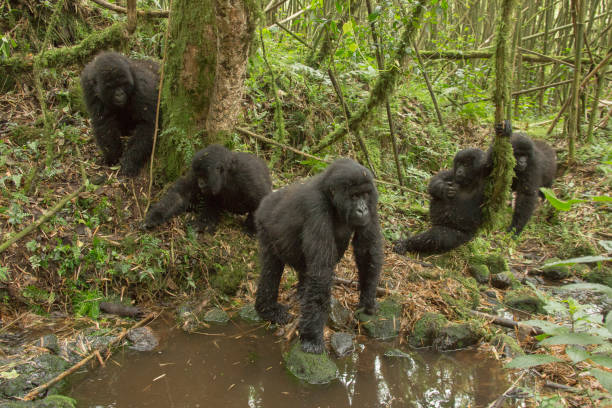
Mountain Gorillas Safety Facts?
Do gorillas themselves pose a risk that travellers need to be aware of? is one of the greatest questions on the minds of would-be travellers;
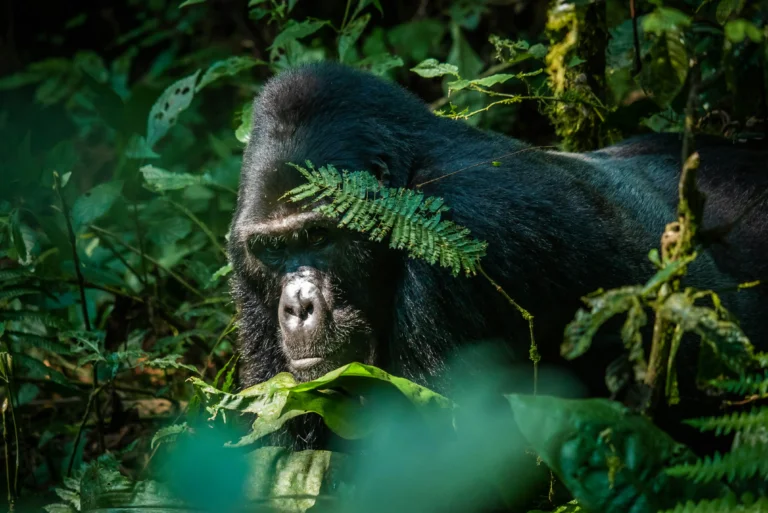
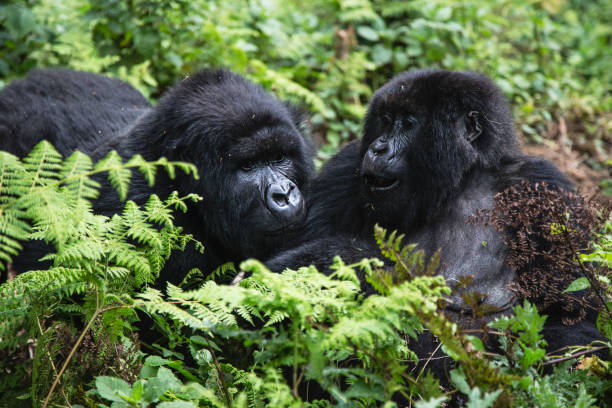
Mountain gorillas are mild-mannered and timid by nature. The gorilla families visited by tourists are “habituated,” they have been gradually desensitised to human presence over the years of close monitoring. The process enables them to stay calm in the presence of visitors while living complete lives as wildlife.
But they are wild animals, gorillas. When threatened or disrespected, they can show signs of aggression, including mock charges and loud vocalisations. Guides instruct visitors on exactly what to do, generally to remain calm, avoid eye contact and follow the instructions they receive. Because encounters are managed and escorted, major mishaps involving visitors are incredibly rare.
Safety Guidelines for Visitors
Fewer risks come with Rwanda’s gorilla trekking, thanks to tight rules that keep people and animals out of harm’s way.
Key safety rules include:
- 8 visitors allowed per gorilla family each day
- Spending more than one hour with the gorillas is not permitted
- Keep a distance of 7 to 10 meters
- No flash photography
- Be as quiet as possible and remain calm
- Always obey the instructions of your ranger.
Smaller groups also lessen the distress on the animals and guarantee that guides can best handle each encounter.
Visitors are also told to never run if a gorilla comes near. Many would say the correct advice should be, Stop and crouch down, in this way, with your body language submissive, it avoids any further escalation; that is what guides say in those mandatory pre-trek briefings.
Because of these tightly regulated standards, gorilla trekking is one of the most tightly regulated wildlife encounters in the world.
Health Safety: Protecting Humans and Gorillas
Interestingly, one of the largest safety threats isn’t gorillas attacking humans, but humans inadvertently attacking gorillas.
Mountain gorillas are 98% genetically similar to humans, which means they can easily contract common human ailments such as flu or respiratory illnesses.
To avoid transmission of disease:
- Trekking is not permitted for the ill.
- The shortest distance for viewing must be observed.
- Cover your mouth when sneezing or coughing.
- No eating, drinking, or smoking near gorillas.
These and other precautions keep the gorillas (already endangered) safe, and also make visitors less susceptible to illness.
Travellers should seek the advice of a medical provider before travel and ensure they are up to date on routine vaccines. Rwanda offers inclusive medical facilities and easy access to health care, particularly in the capital city, Kigali.
Security Situation Around Volcanoes National Park
Some tourists are nervous about regional unrest, as Rwanda borders the eastern parts of the Democratic Republic of Congo. But the Rwandan gorilla trekking region is heavily guarded.
Volcanoes National Park is under the watchful eye of the park officials and tourism police. Conservation and tourism success rely on keeping peace, so the security presence is robust and constant.
Travellers’ experiences posted online very often say the park and surrounding towns are peaceful and well-run.
While you should always be cognisant of regional affairs, Rwanda itself is generally considered one of the safest countries for tourism in Africa.
Gorilla watching in Rwanda is among the most secure wildlife activities you can engage in anywhere in the world. Expert guides, strict visitor guidelines, comprehensive conservation management, health precautions, national and tourism safety, all combine to make gorilla trekking relatively controlled and safe.
There are minor risks, as there are with all outdoor adventures, but these are strictly controlled by experience and regulation. Rather than danger, most tourists depart Rwanda describing gorilla trekking as life-affirming a close interaction with one of mankind’s nearest cousins in a natural setting that is somehow protected.
For adventure travellers who care about conservation and want unique wildlife experiences, Rwanda delivers that not only in the most stellar way, but in a reassuringly safe manner, too.