
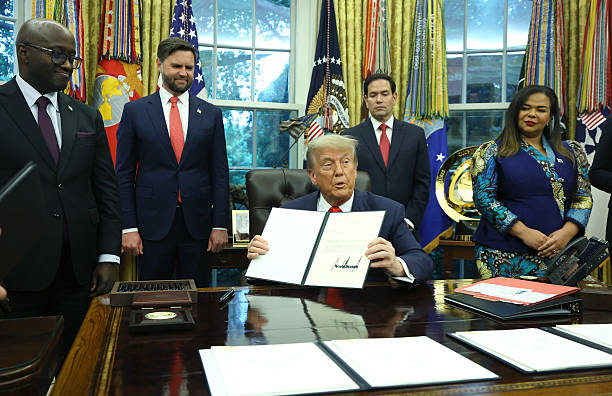
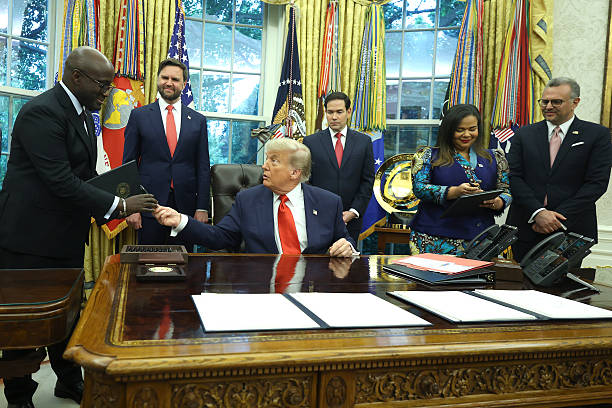
Trump to Host Leaders of Rwanda and DRC for Historic Peace Accord: US President Donald Trump is set to host the signing of a historic peace pact between the leaders of Rwanda and the Democratic Republic of Congo (DRC), which seeks to end decades of hostilities between the two nations, on Thursday at the White House.
It is a precedent-setting event in Great Lakes politics, and heralds a positive future of peace, security and regional cooperation. As the world witnesses this crucial point in international diplomacy, the tourism sectors of both Rwanda and the DRC may now expand and flourish through the stability, which will enable new visitors to explore and open doors to new prospects.
A Historic Diplomatic Success
The US-brokered peace deal with other international partners is considered a significant advancement in breaking the years of conflict and distrust between Rwanda and the DRC. The two nations have been at odds since the 1994 Rwandan Genocide, with Rwanda’s incursions into the DRC’s eastern provinces being the source of much of the disagreement. Rebel groups, cross-border militias and complicated ethnic relations have perpetuated instability, forcing millions of people from their homes and crippling growth.
In a dramatic gesture, President Trump has invited Rwandan President Paul Kagame and DRC President Félix Tshisekedi to Washington itself to sign an all-encompassing peace agreement. This deal includes military and security issues, but also is concerned with building trust, enhancing border security, and developing conflict resolution mechanisms. The signing ceremony at the White House is expected to be a strong demonstration of global unity and dedication to peace, with the potential to transform the geopolitical and economic situation of Central Africa.
A Brighter Future for Rwanda’s Tourism Industry
Rwanda has emerged over the past few years as one of the most appealing travel destinations in Africa. The so-called “Land of a Thousand Hills” has risen strongly in the ranks of what is most wanted in that market. With its lush terrain, exceptional wildlife viewing and pride in sustainable tourism, Rwanda is a leading light for travellers seeking both adventure and culture. It is also popular for Volcanoes National Park, home to world-famous mountain gorillas that draw eco-tourists from across the world.
The signing of the peace deal with the DRC promises to revolutionise Rwanda’s tourism industry. For many years, it has been the case that Rwanda’s image as a safe, stable country was instrumental in the country’s efforts to draw visitors from all corners of the globe. The deal is expected to enhance this reputation even more, as the peace will open up the country to the world in eco-tourism and cultural tourism destinations.
With the peace agreement signed, the tourism industry in Rwanda could experience a dramatic rise in tourists not only to Volcanoes National Park, but also to other well-known places such as Nyungwe National Park and Lake Kivu. These areas, renowned for both their biodiversity and scenery, are now positioned to be linked as cross-border tourism products that will ultimately add value to the country’s tourism marketing.
DRC Benefiting from Its Unexploited Tourism Potential
Though Rwanda has begun to make significant progress in tourism, the Democratic Republic of Congo (DRC) still largely remains a wild card when it comes to international tourism. Notwithstanding its stunning natural beauty that includes the breathtaking Virunga National Park, vast stretches of rainforests and unparalleled wildlife, the DRC has never quite been able to get its tourism industry off the ground, owing in part to fears about security problems in the eastern provinces.
When the signing of the peace accord does take place, the DRC will have a chance to reconstruct its tourism infrastructure and lure overseas tourists. With a plethora of natural wonders ranging from mountain gorillas to the Okapi Wildlife Reserve and Kahuzi-Biega National Park (to name just a few), the DRC could certainly make a name for itself in the African eco-tourism industry. The country has huge potential, but it has long been largely off limits because of the security threat from rebel groups and war.
Now this peace agreement could help release the potential for tourism in the DRC by providing a safer climate for travellers. The improved security situation and the backing of international conservation groups may allow a new wave of tourism to the DRC’s national parks and game reserves. Just as Rwanda, one may note, has proven that eco-tourism and wildlife conservation are not only cost-effective and good for the environment but are also excellent generators of employment and income for rural communities and good stewards of the environment.
The economic benefits for local communities
The rural communities that live off tourism-related activities would benefit most. The building of infrastructure such as roads, airports and hotels would also create jobs and stimulate the local economy. Local participation in tourism, with locals providing services directly (guiding, craft, accommodation), is a better way to distribute tourism revenue in communities.
In addition, income from tourism could be ploughed back into conservation, so that the unique wildlife and ecosystems of the area could be protected for posterity. The peace accord, including its emphasis on sustainable development, may pave the way to a new model of long-term, environmentally-friendly tourism between the two countries – and for their citizens.
The Rwandan-DRC peace agreement, backed by President Trump and signed at the White House, is an unprecedented step in the Great Lakes towards peace and cooperation. With the political situation normalising, both countries’ tourism industries could see a substantial boost from the agreement, bringing about fresh prospects for cooperation and expansion.
They are both Rwanda and the DRC, working towards harmonising cross-border tourism, enhancing security and standardising on sustainable tourism practice to make them the premier eco-tour destinations in the African continent.