DR Congo Hunger Crisis Worsens Due to Fighting and a Lack of Aid Funding: Lack of food is increasing in the Democratic Republic of the Congo (DRC), which is dealing with a more serious humanitarian crisis due to protracted conflict, political unrest, and a severe lack of funding for international aid. The Democratic Republic of the Congo, which was once rich in natural resources and potential, is now facing a growing hunger crisis that is putting millions of lives in jeopardy. Due to the combined effects of violence and a lack of aid, the country’s tourism industry, which was once thought to be a beacon of hope for economic growth, is in danger of failing during this crisis.
The Hunger Crisis: A Risky Circumstance
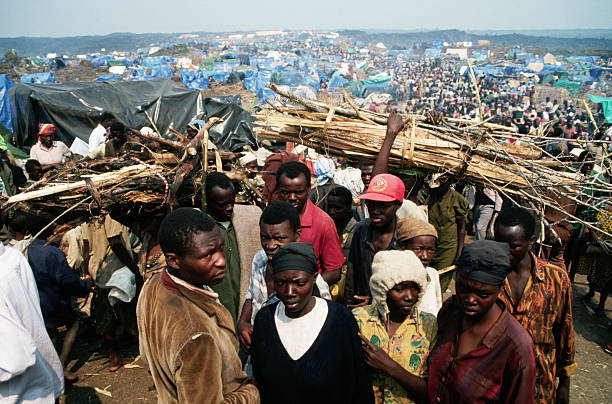
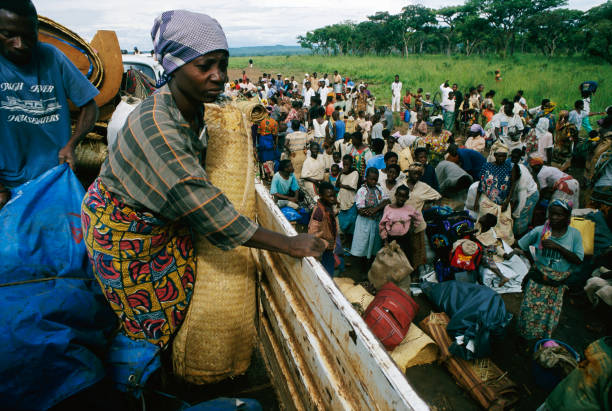
The World Food Programme (WFP) reports that over 27 million people, or nearly one-third of the population, live in the Democratic Republic of the Congo (DRC) and are severely food insecure. The DRC is among the world’s most food-insecure nations, according to the UN. Conflict in the eastern regions, particularly in the provinces of North Kivu, South Kivu, and Ituri, has resulted in the displacement of millions of people. Food shortages have gotten worse as a result, and obtaining humanitarian aid has become more difficult.
Increased activity by armed groups, for example, the M23 militia, has resulted in the displacement of entire communities, crop theft, and the destruction of infrastructure necessary for the distribution of food. Roads that are blocked and damaged supply lines that hinder farmers from getting their produce to markets exacerbate the food shortage. Many have been left without access to food or a means of subsistence as a result of the violence’s destruction of agricultural land, causing the DR Congo Hunger Crisis to worsen.
The severe underfunding of aid organizations exacerbates the humanitarian crisis. The UN’s repeated denial of the DRC’s aid appeal has caused suffering for millions more. The scope of the relief and food assistance scheme was harshly restricted, as only half of the needed funds were raised, according to a 2023 UN report. Humanitarian organizations struggle to help the most vulnerable due to a lack of funding, which results in severe malnutrition and preventable deaths. Lack of funding makes it difficult for humanitarian organizations to help the most vulnerable, leading to severe malnutrition and avoidable deaths.
The Impact on Travel
Once seen as a promising sector for economic growth, the DRC’s tourism industry has experienced many challenges due to the ongoing violence and instability. The country’s unique natural beauty, from the wildlife of Virunga National Park to the thick forests of the Congo Basin, has the potential to attract tourists, especially those who are interested in adventure and ecotourism. However, the DRC’s international reputation as a war zone, insecurity, and a lack of infrastructure have all hampered the expansion of the tourism industry.
In 2022, a number of governments, including the US and the UK, published travel advisories warning against non-essential travel to certain DRC regions due to the high risk of violence and kidnapping. These warnings have had a major effect on the number of tourists arriving, particularly in the east of the country, which is where many of the main attractions, such as gorilla trekking in the Virunga, are located.
The development of sustainable tourism is also hampered by the lack of security. It is now challenging for tour operators to transport tourists to national parks or wildlife reserves due to the recent growth of conflict. Local communities that base on tourism as a major source of income have experienced a fairly fall in income as a result of the immediate of some well-known tourist destinations, including portions of Virunga National Park, due to armed group activity.
Furthermore, international funds have been diverted from industries like tourism as a result of the emphasis on humanitarian crises rather than economic development. The DRC’s tourism sector is still undeveloped and unable to realize its full potential in the absence of the required investments in infrastructure, security, and marketing.
The Relationship Between Tourism and Hunger
The connection between the hunger crisis in DR Congo and the tourism industry is not immediately clear, but it is beyond doubt. Many Congolese people’s economic conditions worsen as a result of the DRC’s growing hunger crisis, which limits their capacity to invest in or profit from tourism. Additionally, increasing food insecurity, community migration, and the loss of agricultural livelihoods also destroy natural and cultural resources that could be used to boost tourism.
Additionally, an endless cycle is manufactured by inadequate funding for the development of tourism infrastructure as well as humanitarian assistance. Without enough help, people will continue to live in poverty and will be unable to access funding in hospitals, schools, or skill development that would allow them to work in the tourism industry. Parallel to this, underdevelopment in popular tourist locations results in fewer employment alternatives for residents, which feeds the starvation cycle and poverty.
To effectively address the hunger crisis in DR Congo and the tourism industry, the DRC needs more international aid, a sustainable peace, and a concerted effort to rebuild its tourism infrastructure. Only then will the country be able to break the cycle of hunger, violence, and underdevelopment by fully utilizing its natural resources and tourism assets.