
Kalando mine disaster in DR Congo: On 15 November 2025, a tragic accident hit the Kalando mine in the Democratic Republic of the Congo’s (DRC) Lualaba province in the southeast when a temporary bridge gave way under a group of frantic miners. Provincial Interior Minister Roy Kaumba Mayonde said that at least 32 had been killed. The miners, many of them “wildcat” or unofficial diggers, had streamed toward the thin bridge after soldiers, or so they believed, opened fire nearby, throwing the area into chaos. The structure gave way, and scores of people fell into the dirt and-holding water in a flooded trench below. A state mining agency (SAEMAPE) has said that, in the wake of bodies being discovered “stacked one on top of the other ” as the workers tried to flee.
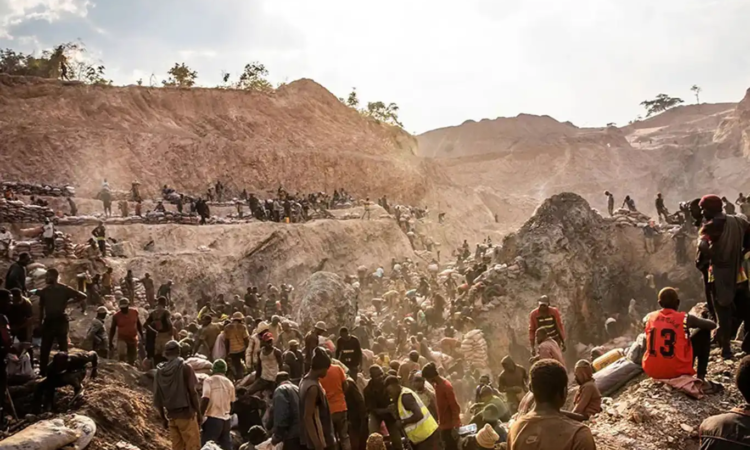
It is not just a heartbreaking death toll; it is a blunt reminder of the still-dicey conditions in the DRC’s mining industry, particularly within its informal mine sites, which are riddled with inadequate infrastructure, lax regulation, and chip-shod work environments. The events underscore the strain between artisanal miners, state forces, and legally licensed operators, a bitter contest in a country whose resources (particularly cobalt) are essential to the high-tech, EV, and global mining industries.
Mining as DRC Economy: The Blessing and the Curse
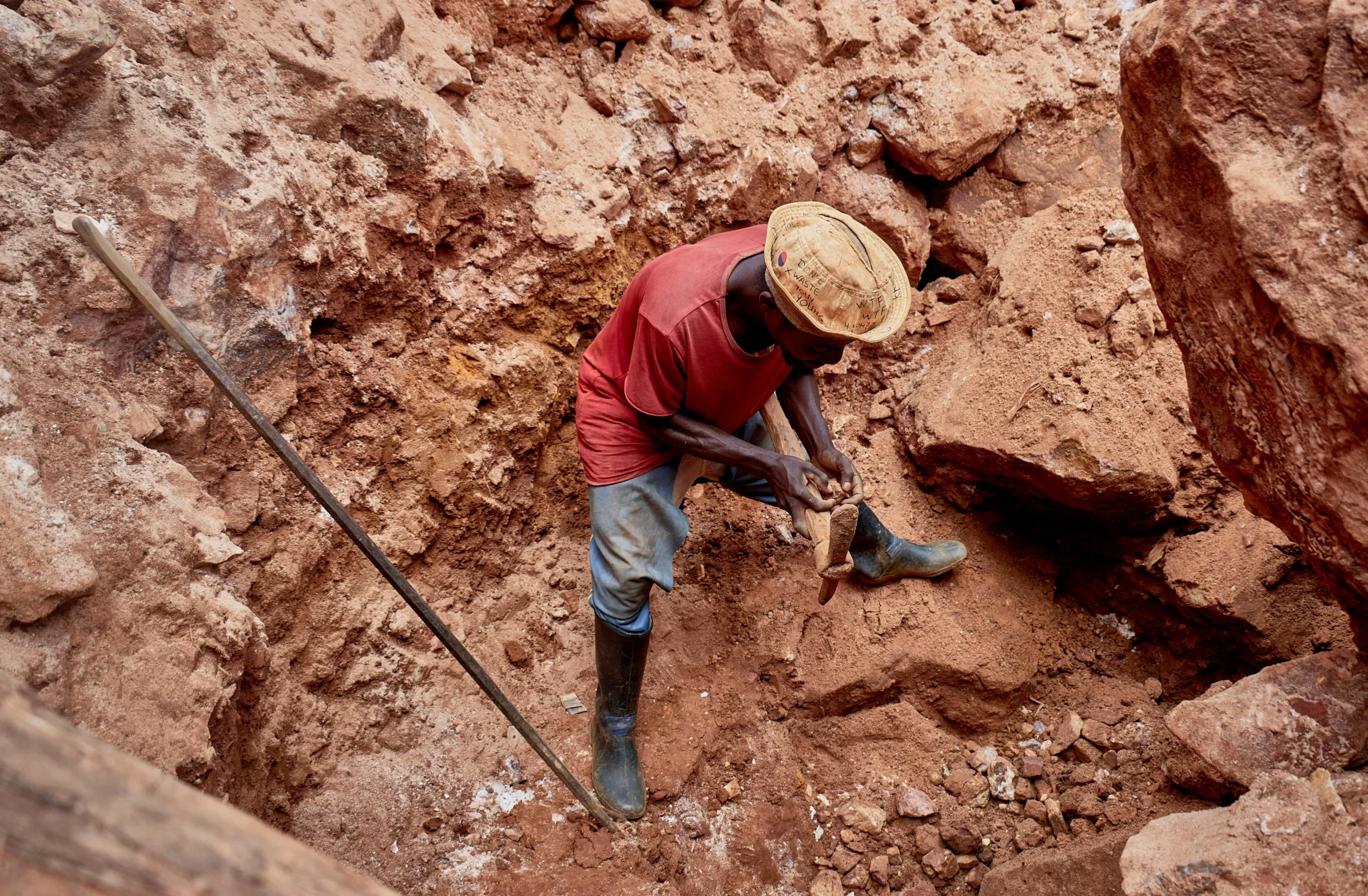
Although mining is still the backbone of the Congolese economy, and not a small one at that, the industry had long been plagued by human rights abuses, environmental destruction, and, tragically, loss of life. DRC is one of the largest producers of cobalt in the world, an essential element in manufacturing batteries that power electric cars and smartphones.
But the industry is riven with inequality, and the work is often hazardous. At once, it also represents unprecedented opportunities, which, if responsibly managed, could become a major impetus for the country’s infrastructural development, its poverty reduction, and its overall modernization.
This is further complicated by the consideration of the tourism potential. As the DRC seeks to expand its economy beyond extractives, a lot has been made of its potential in tourism. The nation possesses some of the most biodiverse ecosystems in the world, including rainforests that are listed by UNESCO, exotic wildlife, and unspoiled national parks.
Tourism: An Unexploited Opportunity Sector for Natural Resources
The DRC is endowed with natural resources that could revolutionize the field of tourism. It is the wildlife-packed terrain of Virunga National Park, which protects the endangered mountain gorilla; it is the crystal-clear water of Lake Tanganyika; and the country is a prime destination for thrill-seekers and ecotourists alike. Yet tourism has been underdeveloped for a number of reasons, including political instability, poor infrastructure, and fears for safety.
Although the mining industry has made the country rich, the prospects of a booming tourism industry are also affected by the negative impact of environmental harm and tribal clashes. Likewise, mine collapses and the human disasters they bring to communities may feed a wider feeling of unease in the area, making would-be visitors wary.
Transport, roads, accommodation, and the DRC’s entire tourism infrastructure are notorious for being wholly inadequate for catering to the steadily growing demand for location-based eco tourism. Furthermore, a failure of political stability, compounded by regional conflicts over resources, frequently shadows the tourism potential of the country.
Combining Mining and Tourism: Towards a Sustainable Development
Mining has long been central to the nation’s economy, but it need not be a barrier to tourism in the DRC. In reality, both industries “could really complement each other” if officials act responsibly. Safer, more environmentally friendly, and socially responsible sustainable mining could also set new foundations for economic diversification and balance.
The tourism sector can, if properly nurtured, contribute to healing some of the wounds inflicted by mining on the environment. For example, eco-tourism helps provide alternative means of income for local villagers, so they have a reason to preserve the natural environment instead of hurrying to make a quick buck from it.
At the same time, responsible mining could provide revenues to pay for infrastructure useful in this and other industries. For example, roads, schools, and hospitals constructed with mining revenue could both enhance the lives of people in local communities and improve the quality of tourist life on the road.
And growing tourism may shine a global spotlight on the industry’s social and environmental issues. International tourists and organizations could put pressure on the Congolese government and companies to become more sustainable.
Towards the future: Pressures for regulatory change and infrastructure investment
To prevent a re-run of the recent catastrophic collapse, the DRC must also move quickly to establish tougher safety standards in the mines. This is along with reinforcing the artisanal mining, labour conditions, and invoking stringent environmental and safety regulations for big mining firms.
At the same time, the government should also develop infrastructure for tourism and advertise the nation as an ecotourism spot. Through international collaborations with conservation groups and responsible tourism brands, the country could raise awareness of its unique natural resources and create employment for communities.
A holistic strategy that encourages responsible mining and sustainable tourism could well be what enables the DRC to realise its economic promise and protect its people’s well-being.
The latest atrocity in the DRC’s mines serves as a brutal illustration of the human toll hidden beneath the supposedly limitless availability of minerals in that country. But it is also a chance for the DRC to rethink its mode of development, one that gives priority to being sustainable and the well-being of its people.
Kalando mine disaster in DR Congo: With appropriate reforms, HLC could rally DRC’s natural resources, not least the potential of its tourism, to help create a more diversified, sustainable economy.