
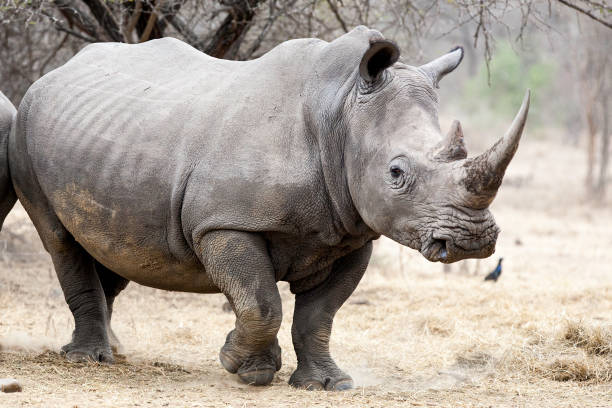
Kidepo Valley National Park Receives Rhinos: Uganda is celebrating a remarkable conservation milestone- the long-awaited return of rhinos to Kidepo Valley National Park. After more than four decades of their absence in the park, these iconic giants are once again stepping onto the vast savannah plains of one of Africa’s most untouched wildernesses.
A Historic Comeback
On March 17th, 2026, the Uganda Wildlife Authority (UWA) officially launched the reintroduction of rhinos to Kidepo Valley National Park, marking a turning point in Uganda’s conservation journey. The initiative began with the translocation of the first two Southern White Rhinos from Ziwa Rhino Sanctuary, with plans to gradually introduce a total of eight individuals.
This reintroduction is more than just a wildlife relocation; it represents the revival of a species that once roamed freely across the Kidepo landscape. The last rhino in the park was killed in 1983 due to rampant poaching and insecurity, bringing an end to their presence for over 40 years.
Why Rhinos Matter
Rhinos are not just charismatic megafauna; they are essential to maintaining healthy ecosystems. As large grazers, they help shape vegetation structure, which in turn supports a wide range of other species. Their return to Kidepo Valley National Park is a key step toward restoring the park’s ecological balance and completeness.
According to conservation leaders, bringing rhinos back strengthens biodiversity, enhances ecosystem resilience, and reinforces Uganda’s commitment to restoring its natural heritage. Kidepo National Park, already known for its sweeping savannahs and rich wildlife, now edges closer to reclaiming its full ecological identity.
Rhino Conservation Behind the Scenes
Reintroducing rhinos is no small feat. The success of this initiative is the result of years of planning, collaboration, and investment. Uganda Wildlife Authority worked closely with conservation partners, including Wild Landscapes East Africa (WLEA), Northern Rangelands Trust (NRT), and the Uganda Conservation Foundation (UCF).
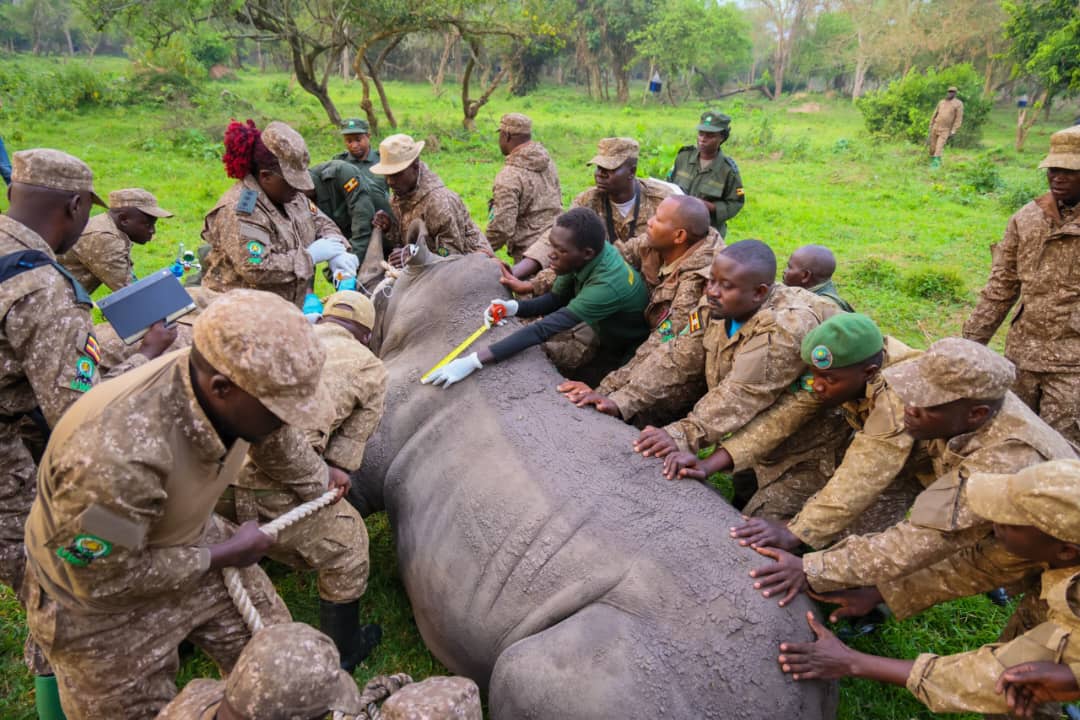
Together, these organizations supported the development of a secure sanctuary within the park. This includes perimeter fencing, ranger outposts, water infrastructure, and advanced monitoring systems to ensure the safety and well-being of the rhinos.
Upon arrival in Kidepo Valley National Park, the rhinos are kept in a protected sanctuary area where they are closely monitored by trained rangers and veterinary teams. This careful approach allows the animals to adapt gradually to their new environment before eventually roaming more freely.
History of Rhino Conservation in Uganda
Uganda’s rhino recovery story began in 2005 with the establishment of Ziwa Rhino Sanctuary. At the time, rhinos were extinct in the wild in Uganda. Through dedicated breeding efforts and strong protection measures, Ziwa has successfully grown the population, making reintroduction into national parks possible.
The addition of eight rhinos imported from South Africa in recent years has further strengthened the country’s conservation capacity. Today, Uganda is home to over 60 rhinos, which is a significant achievement considering where the country stood just two decades ago.
The move to Kidepo Valley National Park represents the next phase: expanding rhino populations beyond sanctuaries and back into their natural habitats.
Tourism and Conservation Benefits
The return of rhinos to Kidepo Valley National Park is expected to boost Uganda’s tourism appeal significantly. Often described as Uganda’s most remote and pristine park, Kidepo offers a truly wild safari experience. The presence of rhinos in the park adds a major attraction, potentially positioning the park as a “Big Five” destination once again.
This development is likely to draw more international and local visitors, creating economic opportunities for surrounding communities and supporting conservation funding. More importantly, it reinforces the idea that conservation can deliver both ecological and economic value.
While this milestone is worth celebrating, conservationists emphasize that the journey is far from over. Protecting rhinos requires continuous vigilance, strong law enforcement, and sustained funding. Poaching remains a threat across Africa, and ensuring the long-term survival of these animals will depend on ongoing commitment.
Still, the mood is one of optimism. The return of rhinos to Kidepo Valley National Park symbolizes resilience, collaboration, and hope. It shows what is possible when governments, conservation organizations, and communities work together toward a shared goal.
As these majestic animals settle into their new home, they carry with them a powerful message: that even after decades of loss, nature can be restored. A game drive safari in Kidepo Valley National Park is ideal for those interested in viewing rhinos in the park.
And for Uganda, this is not just the return of a species; it’s the reclaiming of a legacy.